
Industry solution
Sludge dewatering for municipal and industrial treatment plants
Stable sludge dewatering for plants that need predictable cake output and low operator attention.
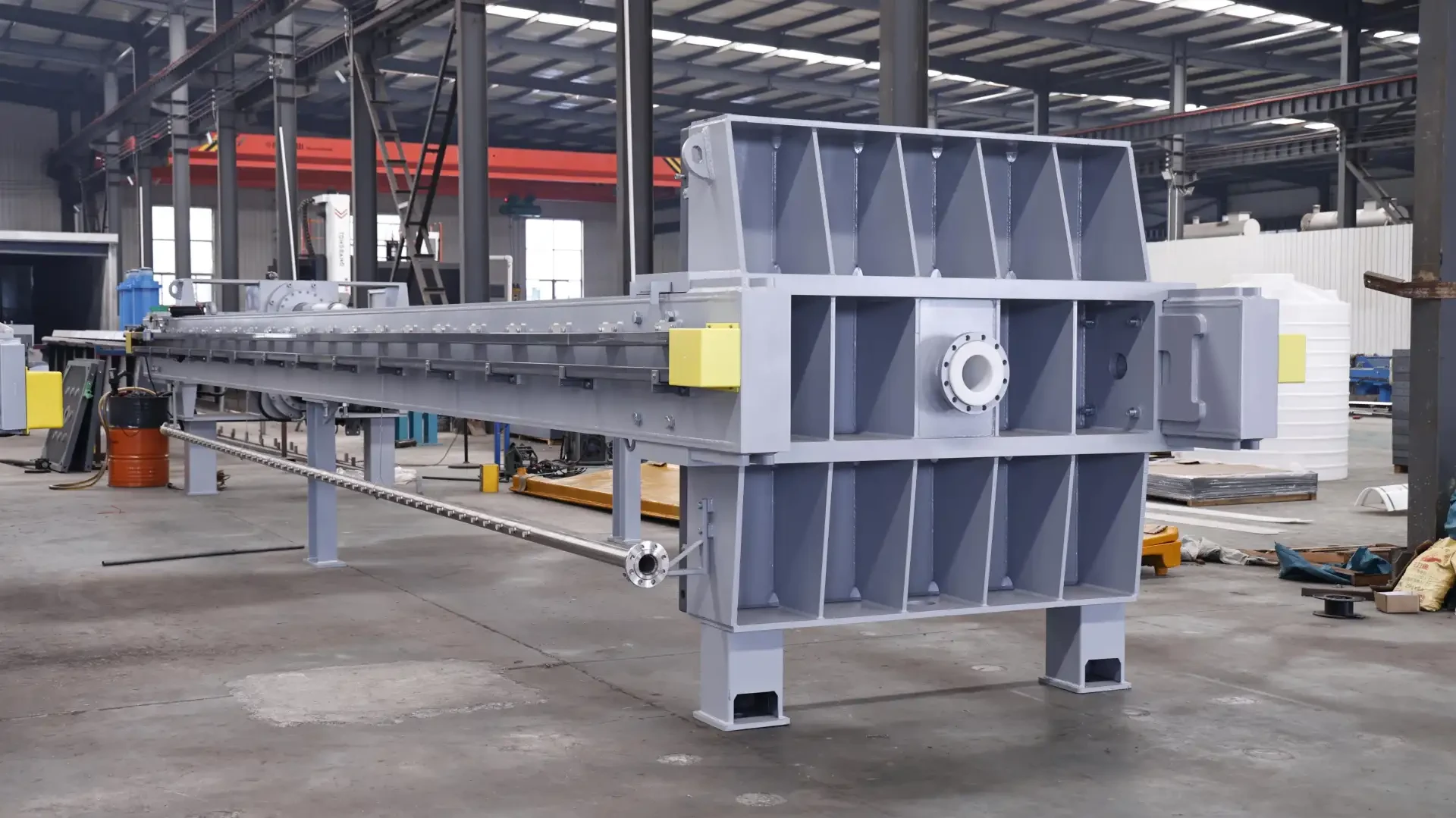
What makes this duty different
Three constraints that shape the specification
- 01
Sludge quality shifts with rainfall and plant load.
- 02
Operator time is limited on small works.
- 03
Cake transport and disposal costs are under pressure.
Treatment plants run continuous cycles, so reliability and simple maintenance matter more than peak performance. Automatic presses reduce operator time on larger plants; chamber presses suit smaller works with steady sludge quality. Polymer conditioning and feed control usually have more influence on results than press size alone.
Slurry conditions to confirm
Indicative ranges. Replace with the values from your process sheet.
| Typical solids content | 1 – 5 % |
|---|---|
| Particle size | 5 – 100 µm |
| pH | 6 – 8 |
| Temperature | Ambient |
| Target cake | Transportable, low drip |
Recommended configuration
Models used on this duty
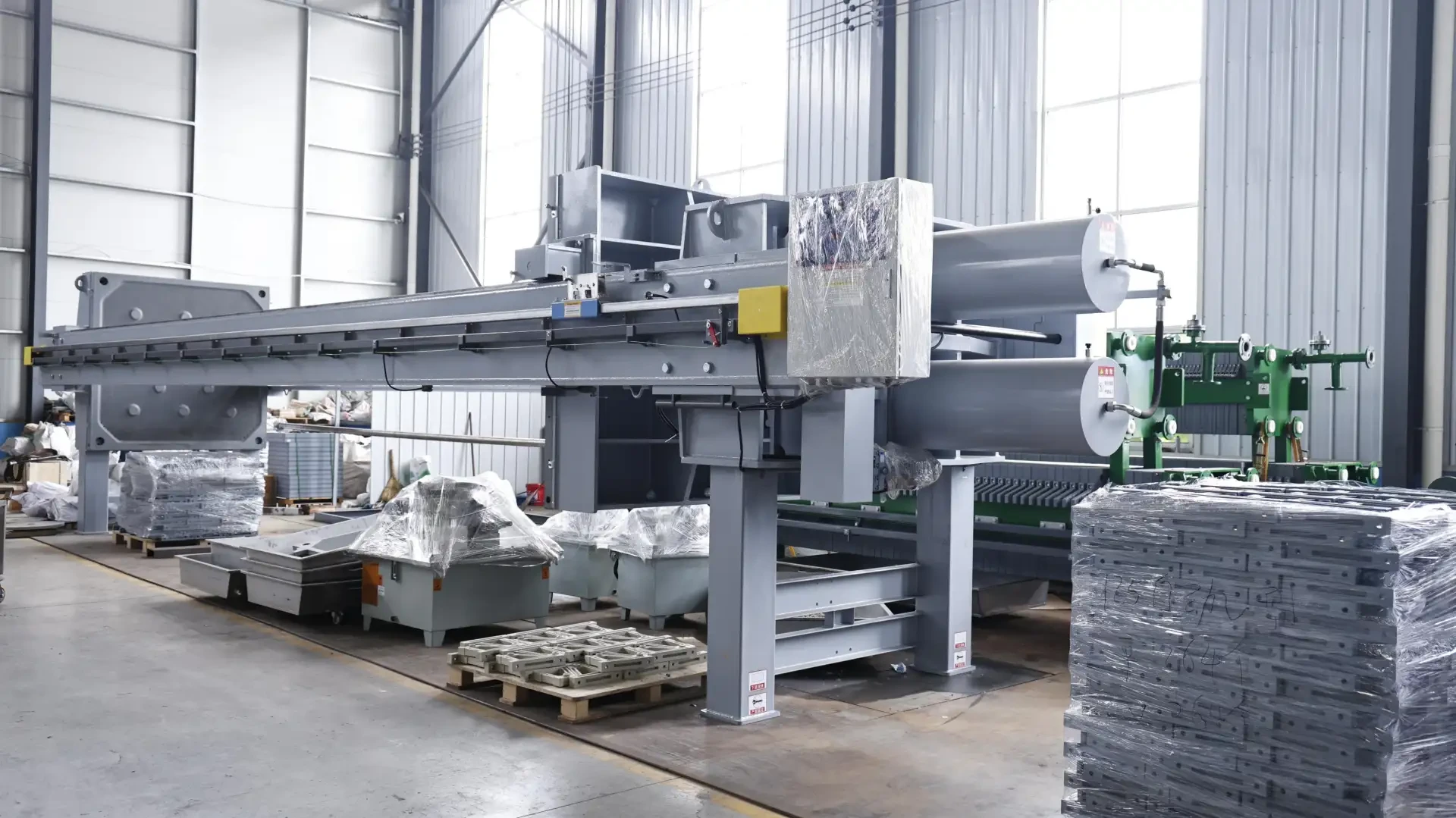
BC-MP Membrane Filter Press
Chamber filtration followed by a membrane squeeze stage, for fine and compressible solids where cake moisture matters.
- Filtration area80 – 1000 m² (typical range)
- Plate size800 – 2000 mm
- Chamber count20 – 100
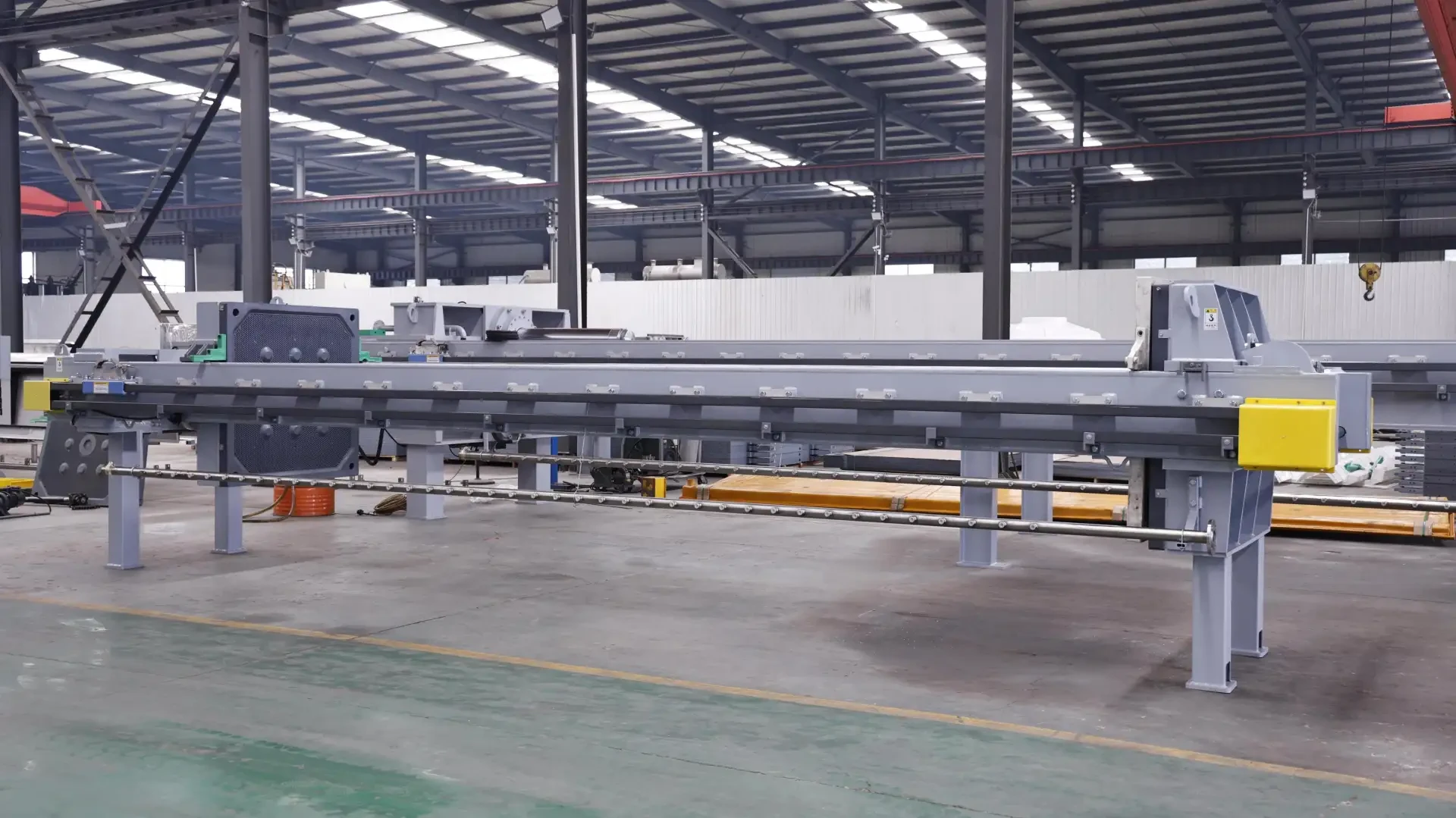
BC-AP Automatic Filter Press
An automated press for plants running frequent cycles, with plate shifting, drip tray and PLC sequence control.
- Filtration area50 – 800 m² (typical range)
- Plate size1000 – 2000 mm
- Chamber count30 – 120
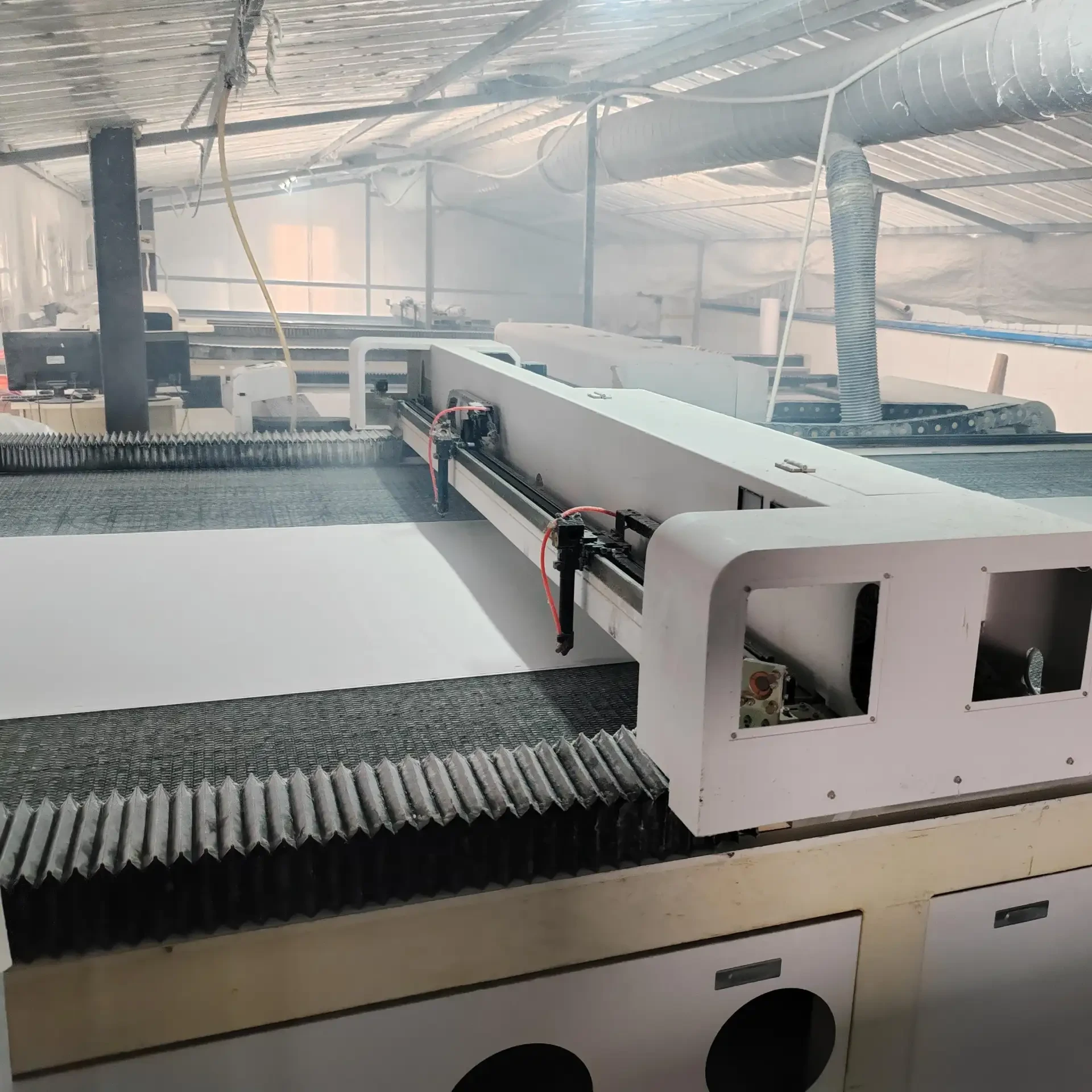
Polypropylene Filter Cloth
PP cloth in plain and twill weaves, for mineral, chemical and wastewater duties with a broad pH range.
- FibrePolypropylene (PP)
- WeavePlain, twill
- Weight300 – 650 g/m²
Send your slurry spec
Size a press for municipal & industrial wastewater
Add the values you have, even if some fields are estimates. We will flag which ones need a sample or a site measurement.
We usually reply within one business day.
Compare this duty with a similar project
Project scenarios show how plate size, cloth and cycle settings came together on comparable slurries.