
Industry solution
Sludge dewatering for dyeing and finishing wastewater
Coloured biological and chemical sludge dewatered to a handleable cake, with wash water returned to the plant.
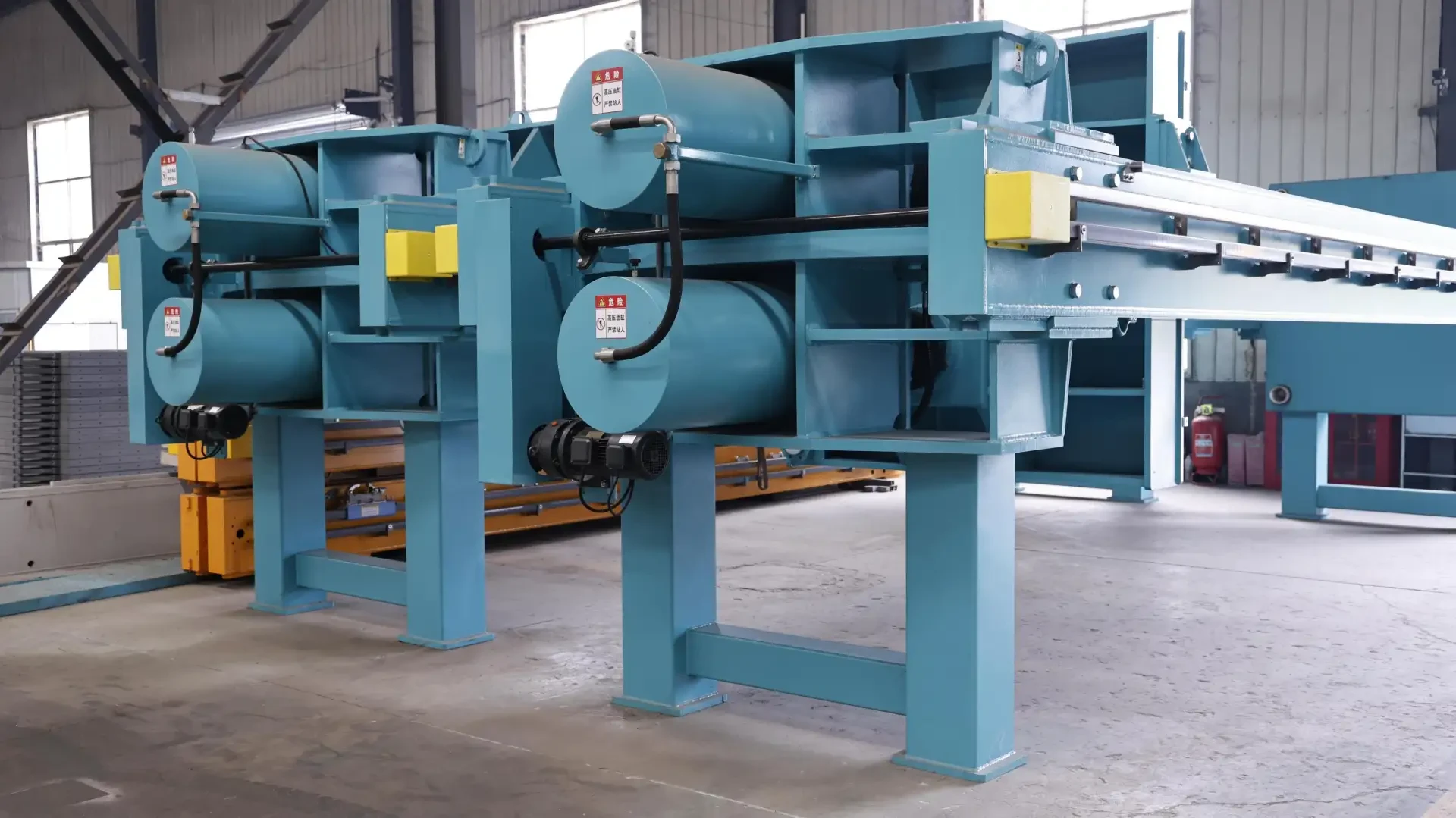
What makes this duty different
Three constraints that shape the specification
- 01
Large sludge volume with low solids content slows every cycle.
- 02
Fine fibres and colour block cloth and reduce drainage.
- 03
Cake haulage cost rises quickly with moisture.
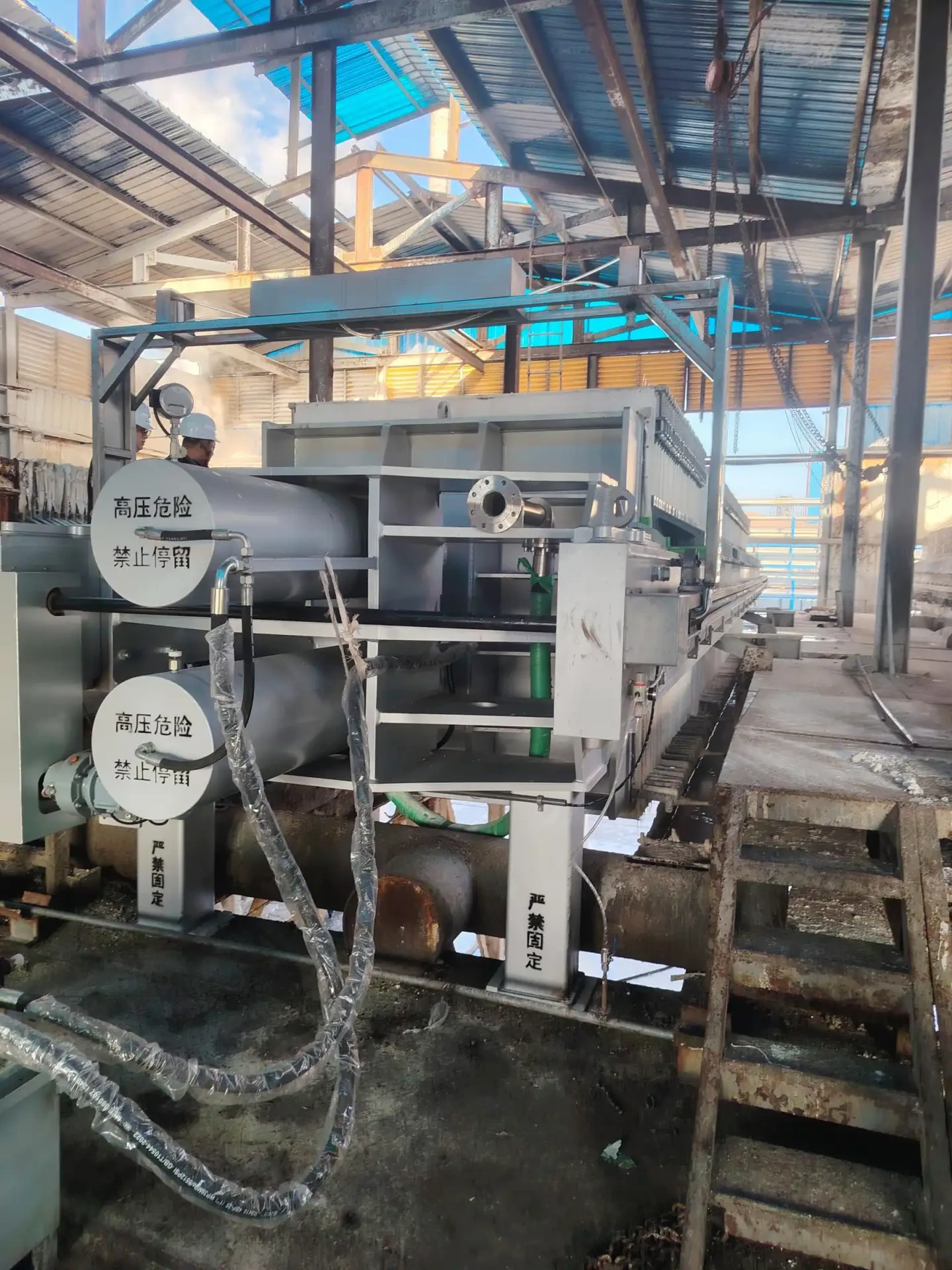
Dyeing wastewater treatment produces large volumes of low-solids sludge. The press needs steady throughput and easy cloth cleaning, because colour and fine fibres cling to the weave. Membrane plates are often used where cake transport cost matters; chamber presses remain a practical choice for smaller plants.
Slurry conditions to confirm
Indicative ranges. Replace with the values from your process sheet.
| Typical solids content | 1 – 6 % |
|---|---|
| Particle size | 5 – 80 µm |
| pH | 6 – 9 |
| Temperature | Ambient to 45 °C |
| Target cake | Handleable, low drip |
Recommended configuration
Models used on this duty
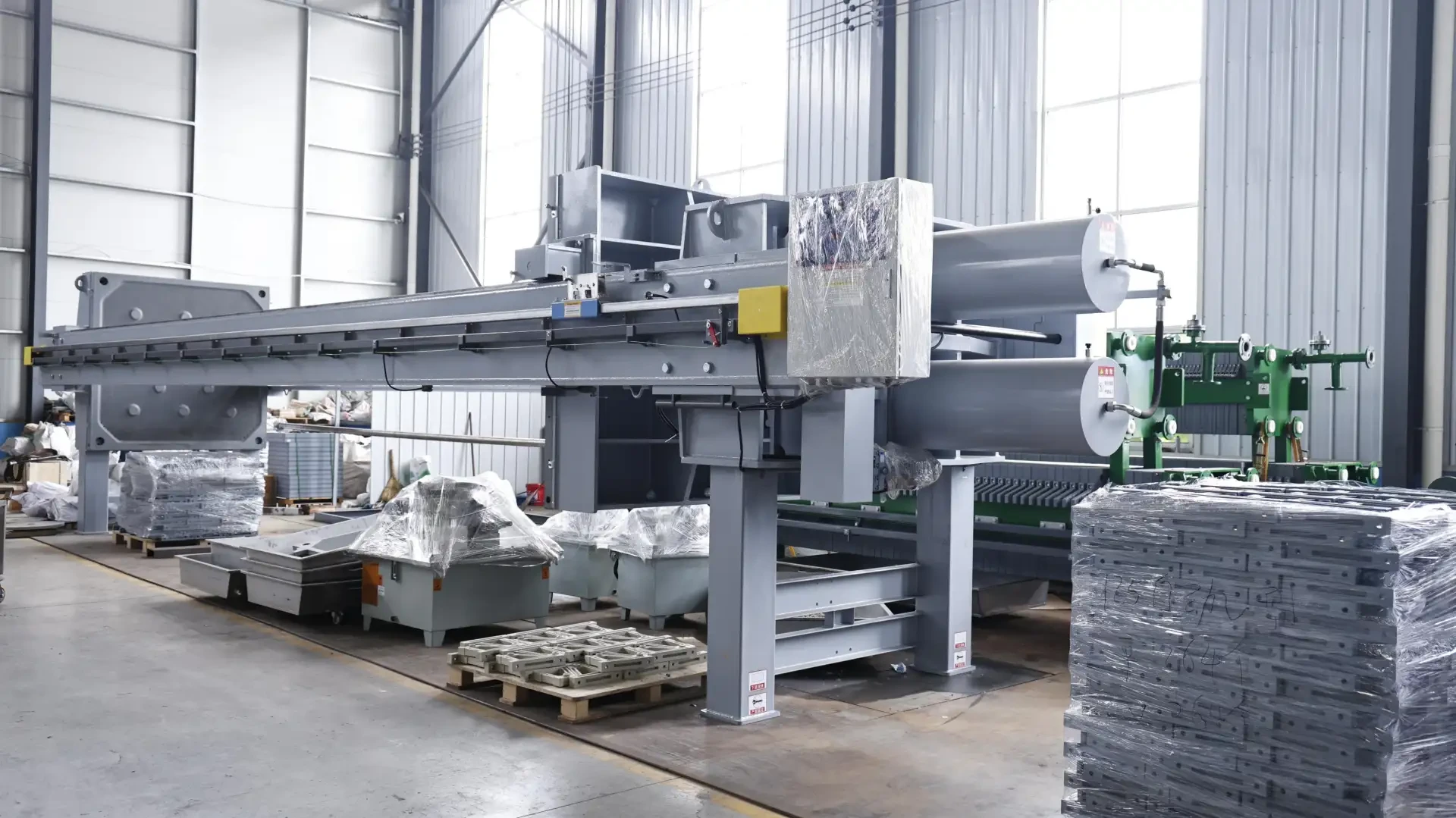
BC-MP Membrane Filter Press
Chamber filtration followed by a membrane squeeze stage, for fine and compressible solids where cake moisture matters.
- Filtration area80 – 1000 m² (typical range)
- Plate size800 – 2000 mm
- Chamber count20 – 100
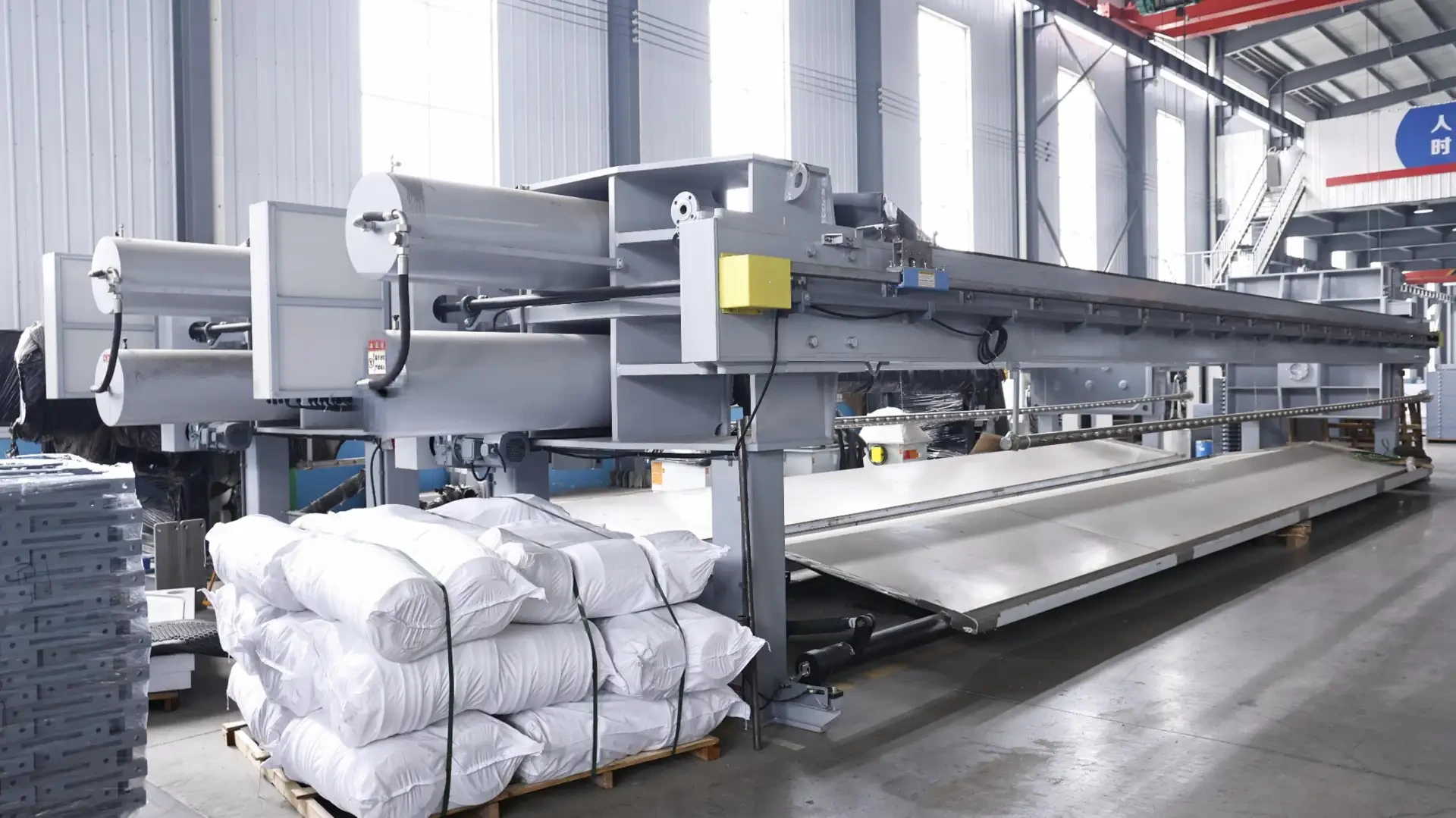
BC-CP Chamber Filter Press
A straightforward chamber press for mineral, ceramic and general industrial slurries with predictable filtration behaviour.
- Filtration area50 – 500 m² (typical range)
- Plate size630 – 2000 mm
- Chamber count10 – 120
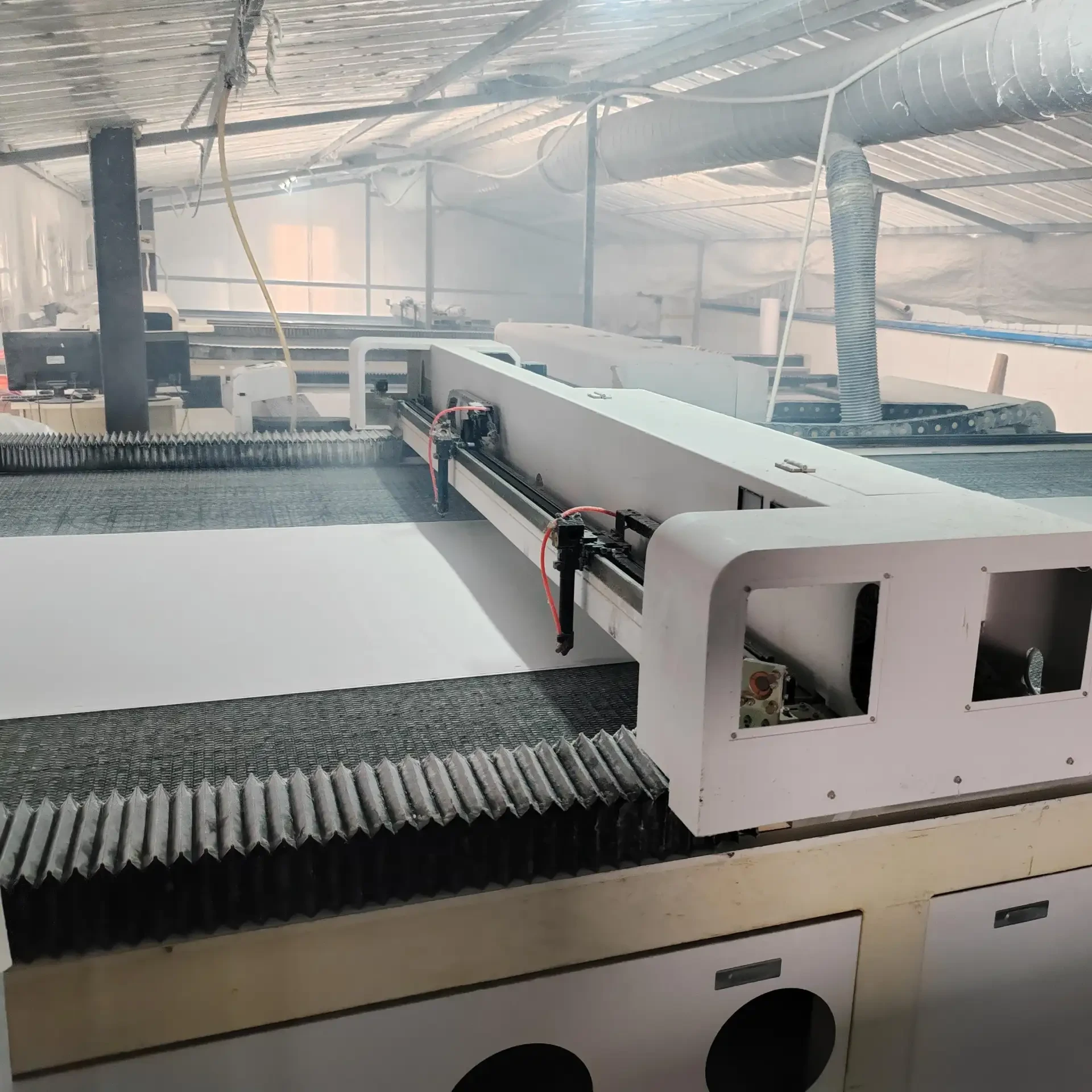
Polypropylene Filter Cloth
PP cloth in plain and twill weaves, for mineral, chemical and wastewater duties with a broad pH range.
- FibrePolypropylene (PP)
- WeavePlain, twill
- Weight300 – 650 g/m²
Send your slurry spec
Size a press for textile & dyeing
Add the values you have, even if some fields are estimates. We will flag which ones need a sample or a site measurement.
We usually reply within one business day.
Compare this duty with a similar project
Project scenarios show how plate size, cloth and cycle settings came together on comparable slurries.